
Introducing Clavicle Fracture Treatment
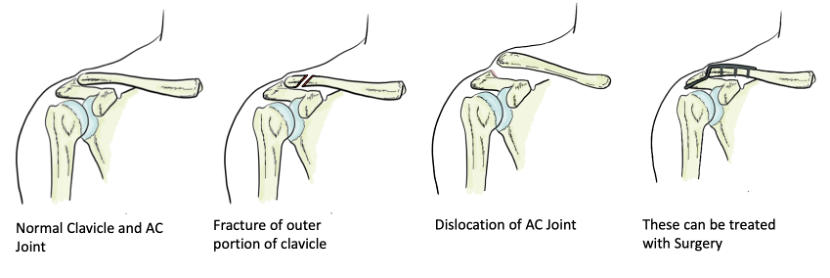
Clavicle fractures, commonly known as collarbone fractures, are frequent injuries often resulting from a direct impact to the shoulder. These fractures can occur in different parts of the clavicle, with the midshaft and distal (end) portions being the most commonly affected areas. Treatment may involve surgery, especially in cases with significant displacement or other complications.
At Victorian Bone and Joint Specialists (VBJS), our highly skilled and experienced surgeons are dedicated to providing exceptional care for patients with clavicle fractures. Located in Melbourne, our fellowship-trained orthopaedic surgeons utilise the latest techniques and technologies to ensure the best possible outcomes. With a commitment to personalised care and advanced surgical expertise, VBJS is a leading centre for clavicle fracture surgery in Melbourne. Our modern facilities and comprehensive care services support patients from initial consultation through to full recovery, ensuring a smooth and successful surgical experience.
Anatomy
The clavicle, or collarbone, is an S-shaped bone that connects the shoulder to the sternum. It provides structural support and stability to the shoulder. Clavicle fractures can be classified into midshaft (middle third) and distal (end) fractures, each requiring different considerations for treatment.
Reasons for Surgery
Midshaft Clavicle Fractures:
– Significant displacement or shortening of the bone.
– Open fractures where the bone pierces the skin.
– Associated injuries such as neurovascular damage or a floating shoulder.
– Symptomatic nonunion where the fracture does not heal properly on its own.
Distal Clavicle Fractures:
– Displacement or instability due to ligament damage.
– Open fractures.
– Fractures with a high risk of nonunion.
The clavicle, or collarbone, is an S-shaped bone connecting the shoulder to the sternum, providing structural support and stability, and can fracture in the middle (midshaft) or end (distal) sections. If you’re experiencing clavicle pain, you may be in need of broken collar bone treatment (also known as clavicle fracture treatment). Read More
Surgical Procedure
– Anaesthesia: General or regional anaesthesia to ensure comfort during the procedure. Our anaesthetist will discuss this with you.
– Incision and Exposure: An incision is made over the fracture site to expose the broken bone.
– Reduction and Fixation: The bone fragments are realigned (reduced) and fixed in place using plates, screws, or pins to maintain proper alignment during healing.
– Closure: The incision is closed with sutures, and a dressing is applied.

After Surgery
1. Recovery Room: Vital signs will be monitored as you wake up from anaesthesia.
2. Pain Management: Medications will be prescribed to manage pain and discomfort.
3. Immobilisation: A sling or brace may be used to immobilise the shoulder and aid healing.
4. Physical Therapy: Early motion and strengthening exercises will be introduced to restore function and prevent stiffness.
5. Follow-Up Visits: Regular check-ups with your surgeon to monitor healing progress.
Physiotherapy and Rehabilitation
Rehabilitation is essential to ensure proper healing and restore shoulder function after clavicle fracture surgery. The rehabilitation process typically progresses through several stages:
– Initial Phase: Focuses on gentle range of motion exercises to maintain flexibility while protecting the healing bone.
– Intermediate Phase: Involves gradually increasing shoulder movement and introducing light resistance exercises to rebuild strength.
– Advanced Phase: Emphasizes advanced strengthening and functional exercises to restore full shoulder function and strength. Patients can begin to return to normal activities and sports as advised by their surgeon.

Return to Work
– Office Work: Typically, you can return to office work within 2-4 weeks, depending on pain and mobility.
– Manual Labor: Jobs requiring heavy lifting or strenuous activity may require 3-6 months before full return to work.
– Sports and Activities: Most patients can return to sports and physical activities once full strength and range of motion are restored, usually after 3-6 months.
Risks and Complications
– Infection: Antibiotics are administered to prevent infection.
– Nonunion: The fracture may fail to heal properly, potentially requiring additional surgery.
– Hardware Issues: Plates or screws may cause irritation and might need removal.
– Nerve or Blood Vessel Injury: Rare but possible complications from surgery.
– Scarring: Visible scarring at the incision site.
– Plate Removal Surgery: Some patients may require a second surgery to remove the hardware if it causes discomfort or other issues.
Your surgeon will discuss the specific risks of surgery at the time of consent to ensure you are fully informed.
Long-Term Outcomes
– Most patients experience significant pain relief and a return to normal activities.
– Proper care and adherence to rehabilitation protocols are essential for optimal recovery.
Frequently Asked Questions (FAQs)
Q: When is surgery necessary for a clavicle fracture?
A: Surgery is typically required for significantly displaced fractures, open fractures, and fractures associated with other injuries or complications.
Q: How long does it take to recover from clavicle fracture surgery?
A: Initial recovery usually takes a few weeks, but full healing and return to all activities can take several months.
Q: Will I have a scar after surgery?
A: Yes, there will be a scar at the incision site, but it usually fades over time.
Q: Can I return to sports after clavicle fracture surgery?
A: Most patients can return to sports once the fracture has fully healed and strength has been restored, typically several months post-surgery.
Note: This information sheet is for educational purposes and is not a substitute for professional medical advice. Always follow your healthcare provider’s instructions and guidance.